What to plan for when visiting the Hatta region
Planning a trip to the Hatta region means trading the city for rugged mountains, clear wadis and a slower pace. The area sits about 130 kilometres south-east of Dubai, so it is a proper day trip or a weekend escape rather than a quick detour. Getting the most out of the visit depends on a few practical checks before you set off. Here is what to think through so the journey goes smoothly and you enjoy the landscape rather than scrambling for basics.
Check the vehicle and route
The drive from Dubai takes roughly 90 minutes on the E44 road, which winds through the Hajar Mountains. The road is sealed and well maintained, but it climbs and descends through steep sections. Make sure your car has enough fuel before you leave the city; petrol stations thin out once you leave the last suburbs. Check tyre pressure and coolant levels too, especially in summer when engine heat builds quickly on the climb.
Navigation is straightforward with a phone map, but mobile reception can be patchy in the deeper valleys. Download the map area to your phone before you go, or carry a basic road map as a backup. If you are driving a hire car, confirm that your insurance covers the road to Hatta; some policies exclude certain mountain routes. A quick call to the rental company saves surprises later.
Weather and timing
Hatta sits at a higher elevation than Dubai, so temperatures can be several degrees cooler, particularly in the mornings and evenings. In winter, from November to March, daytime temperatures are pleasant, but the nights drop sharply, sometimes below 10°C. Pack a jacket and a long-sleeved layer even if you expect a warm day. In summer, the heat is intense by midday, so plan any walking or cycling for early morning or late afternoon.
Rain is rare, but when it comes, it can cause flash flooding in the wadis. Check the forecast a day before you travel. If heavy rain is predicted, avoid driving into low-lying valleys or parking near dry riverbeds. The local authorities sometimes close access to certain areas during bad weather, so a quick look at official social media channels for Hatta or the Dubai Roads and Transport Authority is worth the effort.
What to bring for the day
The Hatta region has few shops once you leave the main town. Pack everything you need for the day before you leave Dubai. Water is the most important item. Bring more than you think you will need, at least two litres per person. The dry air and physical activity mean you will drink more than you expect.
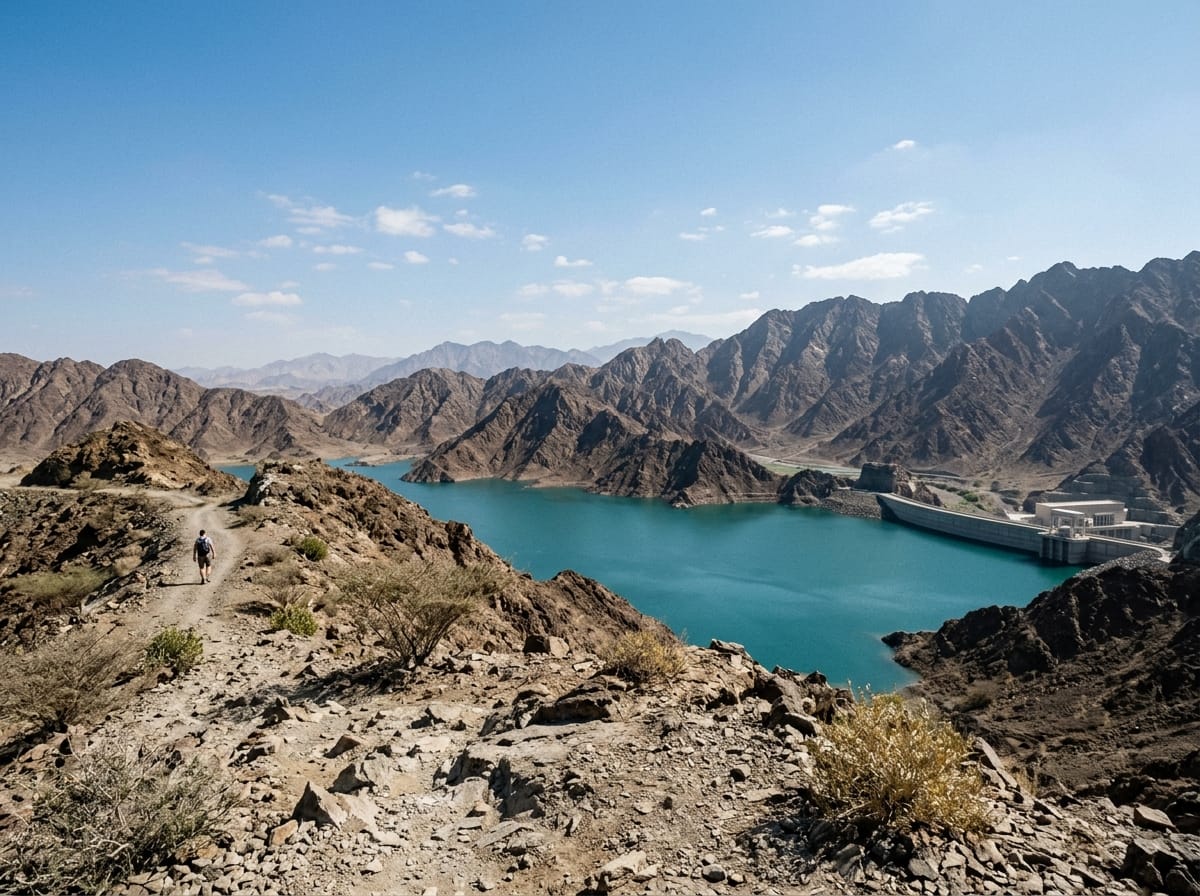
Sunscreen, a hat and sunglasses are essential because the mountain sun is direct. Good walking shoes matter if you plan to explore the rocky terrain around the Hatta Dam or the Hatta rock pools. The ground is uneven, and loose stones can turn an ankle. A small first-aid kit with blister plasters and antiseptic wipes covers the common issues.
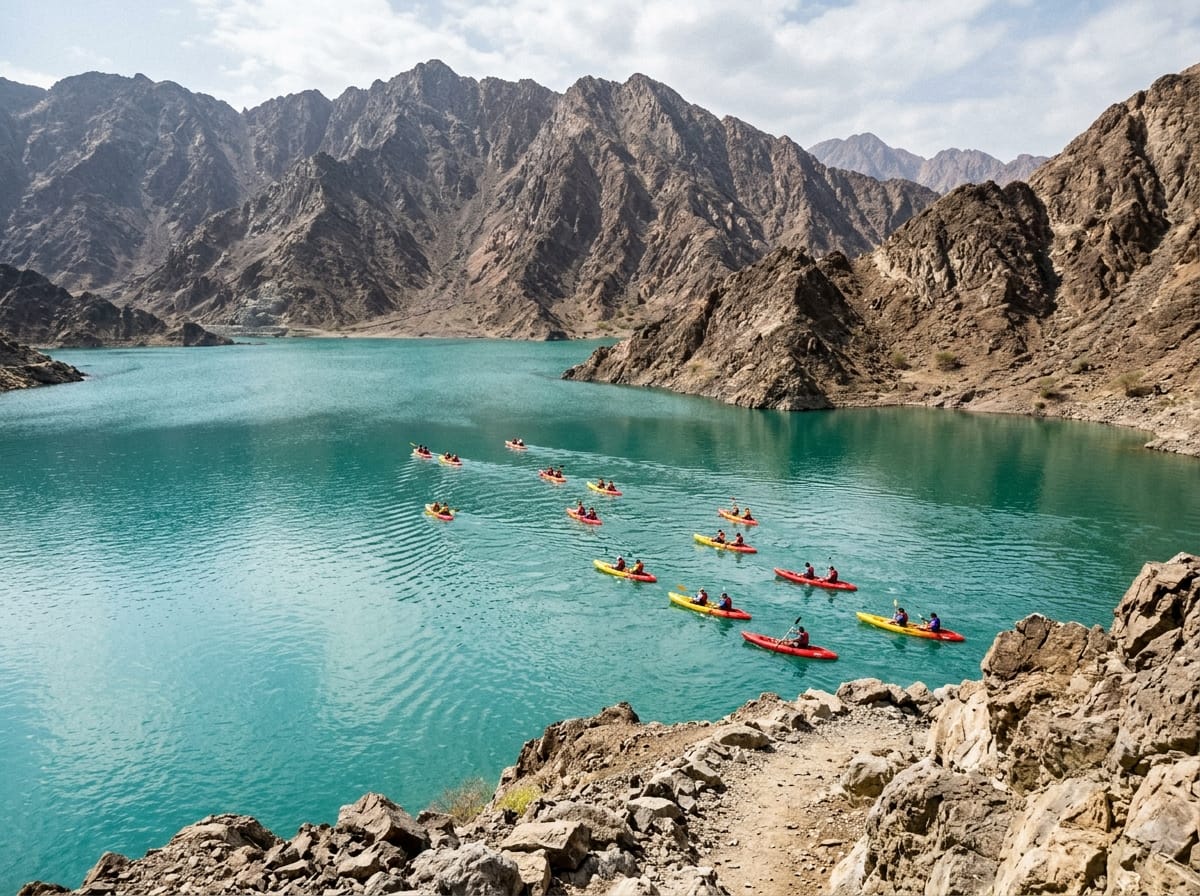
If you want to kayak on the dam or cycle the Hatta Mountain Bike Trail, book in advance. Equipment hire at the Hatta Wadi Hub is convenient but limited on busy weekends. Reserving online guarantees availability and saves waiting in line under the sun. The same goes for accommodation. The Hatta Hill Park and the Hatta Fort area have camping and glamping options, but they fill up fast, especially during school holidays and public holidays.
Entry fees and permits
Access to the main public areas, such as the Hatta Heritage Village, the Hatta Dam and the Hatta Wadi Hub, is free. You pay only for activities like kayaking, cycling, or guided tours. Some trails and parking areas near the dam may charge a small fee, so carry some cash or a card that works in the UAE. Most payment points accept both, but a few smaller stalls take cash only.
The Hatta Mountain Bike Trail network requires a permit and a helmet. You can buy both at the trail head or online through the official Hatta Wadi Hub website. The fee is modest and goes towards trail maintenance. If you plan to cycle, check the trail status online before you go; some sections close after heavy rain for safety work.
Food and drink options
Hatta town has a handful of cafes and restaurants, but the selection is limited compared to Dubai. Most serve basic Emirati and Indian dishes, sandwiches and snacks. The Hatta Wadi Hub has a cafe with drinks and light meals. If you have specific dietary needs or want a proper picnic, bring your own food. Many visitors pack a cooler with sandwiches, fruit and snacks and stop at one of the shaded picnic areas near the dam or the rock pools. The fresh mountain air makes even a simple sandwich taste good.
Eating in the heritage village or at the Hatta Fort is a pleasant experience, but again, the menus are small. If you are staying overnight, check whether your accommodation provides meals or has kitchen facilities. Self-catering is the easiest option for a relaxed trip.

Respect the environment and local rules
The Hatta region is a natural reserve in parts, and the local community values its quiet character. Keep noise down, especially early morning or late evening. Take all your rubbish with you; there are bins at the main hubs, but the more remote spots have no waste collection. Litter spoils the landscape and harms wildlife.
Swimming in the dam is not allowed for safety reasons. Kayaking and paddleboarding are fine, but life jackets are mandatory. The Hatta rock pools are a popular spot for wading, but check the water level and flow before you step in. Slippery rocks and sudden drops are common. Go slow and keep children close.
Drones are popular for photography, but some areas restrict their use. The Hatta Dam and the heritage village have signs if flying is prohibited. Always check before launching. The local police and rangers do enforce the rules, and fines can be steep.
Plan for connectivity and emergencies
Mobile signal strength varies across the region. The main roads and the town centre have good reception, but the deeper wadis and the trails near the Hatta Mountain Bike Trail can lose it entirely. Let someone know your rough itinerary if you plan to hike or cycle alone. Carry a power bank for your phone, especially if you rely on maps or booking confirmations stored on it.
Emergency services are based in Hatta town, and response times are reasonable for the main areas. For minor issues, a basic first-aid kit and a fully charged phone are usually enough. For anything serious, dial 999 or 112. The local ambulance service can reach most parts of the region within 20 minutes.
For more detailed information on routes, activity bookings and opening hours, many travellers find the official site hattamountaintourdubai.com useful as a central reference. It beats searching through scattered social media posts or outdated blogs.
What to skip
Some visitors try to squeeze Hatta into a half-day trip from Dubai. It is possible, but you will spend more time driving than exploring. The best experiences, like a quiet morning at the Hatta Heritage Village or a sunset paddle on the dam, need a relaxed schedule. If you can, plan for a full day or an overnight stay.
Another common mistake is arriving without a plan for the heat. The mountain sun is deceptive because of the breeze. Sunburn and dehydration happen fast. Stick to the shade in the middle of the day and keep drinking water even if you do not feel thirsty. A hat with a wide brim and a long-sleeved shirt made of breathable fabric make a big difference.
Finally, do not rely on your phone's battery for navigation, tickets and photos all day. The combination of screen brightness in the sun and constant use drains it by early afternoon. A paper map, a printed booking confirmation and a small notebook are lightweight backups that do not need charging.
With these checks done, your trip to the Hatta region becomes about the views, the quiet and the change of pace. The preparation fades into the background, and the mountains take centre stage. Whether you are kayaking on the reservoir, walking through the restored fort or just sitting by the rock pools with a cup of tea, the small effort before you leave pays off in a smoother, more enjoyable day out. The official hattamountaintourdubai.com site is a good starting point for anyone who wants specifics on timings, trail conditions and activity availability before they head out.
Ends · THEHATTAMOUNTAINDUBAIHUB